URGENT: Recurring swollen feet and ankles can worsen over time — watch this short video while it’s available
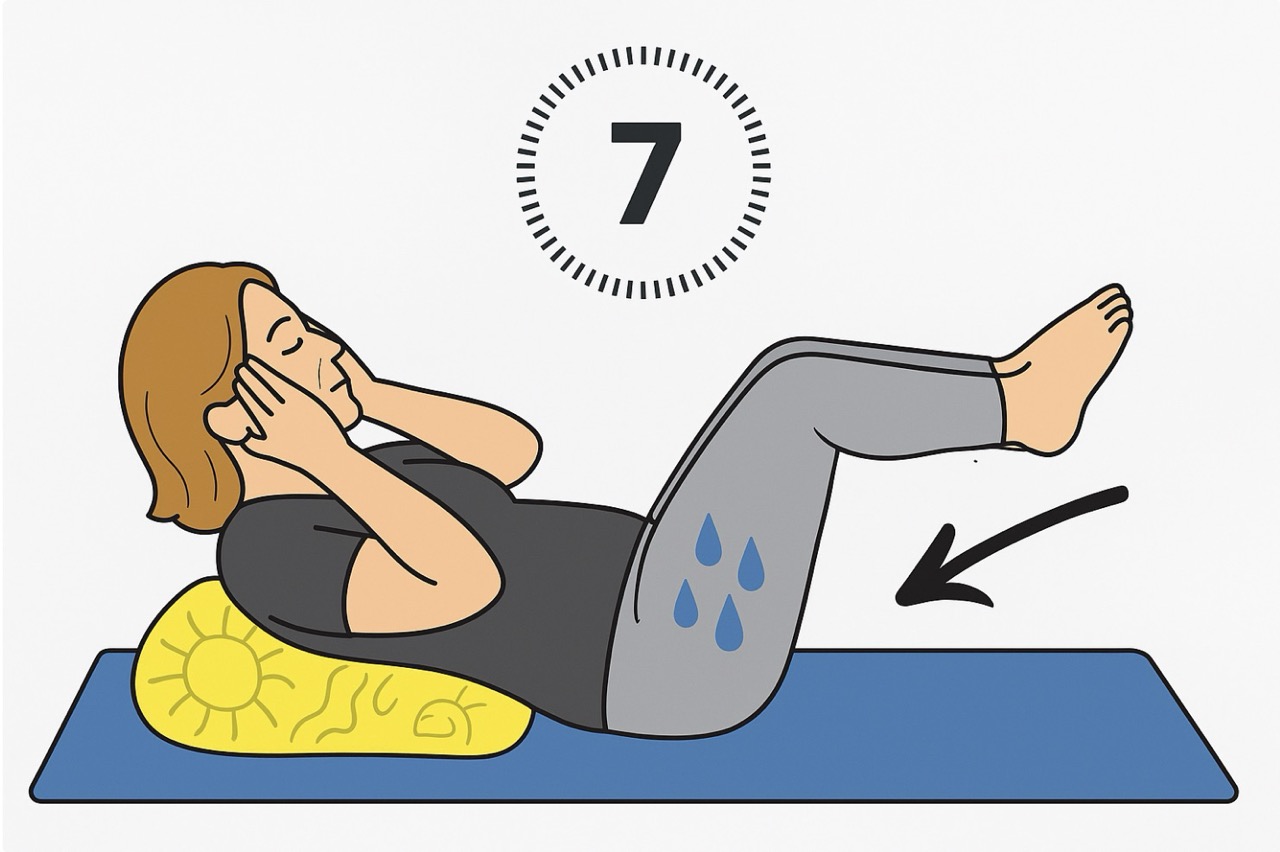
WHY YOUR SWOLLEN FEET & ANKLES KEEP COMING BACK …and the 7-second reset that helps your body release trapped fluid naturally
After mapping thousands of real-world cases, a health educator explains the overlooked “hold-water” signal behind puffiness and reveals a simple at-home routine for women 45+ to support circulation and fluid balance—no extreme diets, no invasive procedures.

LIVE
12,847 watching
Do Any of These Feel Familiar?
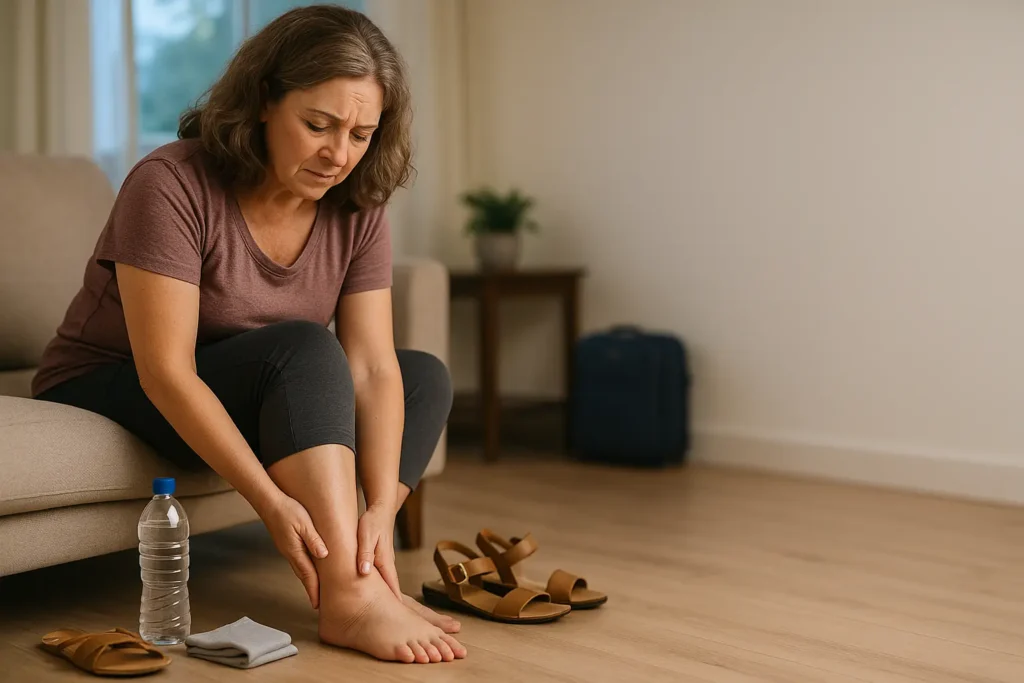
- You end most days with swelling in feet and tight shoes
- Sock marks or sandal strap indents stay on your skin
- Puffy toes or a “sausage” feeling by evening
- Legs feel heavy or stiff when you first stand up
- Long sitting or standing makes swollen ankles worse
- Night cramps or throbbing calves interrupt sleep
- Heat, flights, or salty meals trigger bigger flare-ups
- You avoid long car rides or summer events because of swollen feet and ankles
SWOLLEN FEET & ANKLES?
The serious risks nobody likes to mention
BLOOD CLOTS (DVT/PE)
Leg swelling—especially in one leg with warmth/redness—can signal a deep-vein clot. In the U.S., up to 900,000 people are affected by venous thromboembolism each year and 60,000–100,000 die; 1 in 4 pulmonary embolisms causes sudden death with no warning. If you suspect a clot, seek urgent care.
INFECTIONS & HOSPITALIZATION
Chronic lower-leg oedema raises cellulitis risk. U.S. adult cellulitis hospitalizations climbed from ~300k (1998) to ~537k (2013). In people with chronic lower-leg oedema, ~16% report cellulitis in the past year. Repeated infections can mean IV antibiotics and time off your feet.
CHRONIC VEIN DISEASE → ULCERS → PROCEDURES
Untreated venous disease can progress to venous leg ulcers (open wounds). Prevalence is ~0.3% of adults; ulcers heal slowly, recur, and sometimes need procedures (e.g., endovenous ablation; in stubborn cases, surgery/skin grafts). Complications include infection, chronic pain and mobility loss.
BUT THERE’S A WAY FORWARD…
Before it snowballs, learn the 7-second routine that supports fluid balance and lower-leg circulation—so swelling in feet and ankles stops running your day.
THE OVERLOOKED HORMONE DRIVING SWOLLEN FEET — FINALLY EXPLAINED
Breakthrough insights from Georgetown & UNC explain why “symptom-only” fixes miss the mark — and how a simple daily reset helps calm the body’s fluid signal.
24% LESS LEG SWELLING
Clinical review on a concentrated form of L-citrulline showed a 24% decrease in leg swelling and better peripheral circulation.
28,500+ PEOPLE HELPED
The routine described has been used by over 28,500 men and women who struggled with swollen feet and ankles.
7-SECOND DAILY RESET
A quick at-home step that helps your body support lower-leg circulation and fluid balance — easy to use at work breaks, on travel days, or before bed.
RESEARCH BRIEF — AVP (“pee hormone”)
“AVP acts like a traffic cop for body fluids. When it runs high, kidneys pull water back into the bloodstream, and — because of circulation and gravity — excess fluid pools first in the legs, ankles, and feet.”
— summary of the doctor’s explanation referencing Georgetown and UNC findings.
This overlooked mechanism rarely shows up in everyday advice — yet it’s the missing piece for countless women 45+ battling swollen feet and ankles.
WOMEN ARE GETTING THEIR ANKLES BACK
They were told it was “just part of getting older.” They were wrong.
Real women are ending the day with lighter legs and shoes that still fit — after learning the same simple 7-second routine.

“My swollen feet were a source of pain and embarrassment. I was even pushed toward a vein procedure. I started the daily 7-second reset and weeks later I danced at a family wedding — no swelling afterwards.”
— Martha S., 59 — Phoenix

“As a nurse I’m on my feet all day. Afternoons used to be balloon time. The quick reset became my 3pm ritual — the swelling faded and my energy came back.”
— Jill B., 52 — Kansas City

“For years I tried compression socks and diet changes. Nothing helped. With this routine, the puffiness went down and I actually feel more lively.”
— Margaret L., 67 — AZ